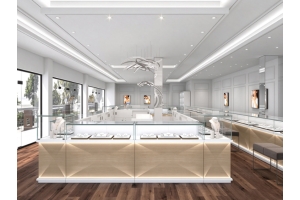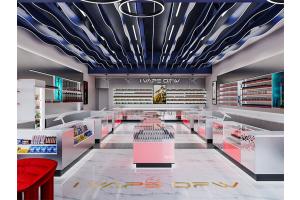
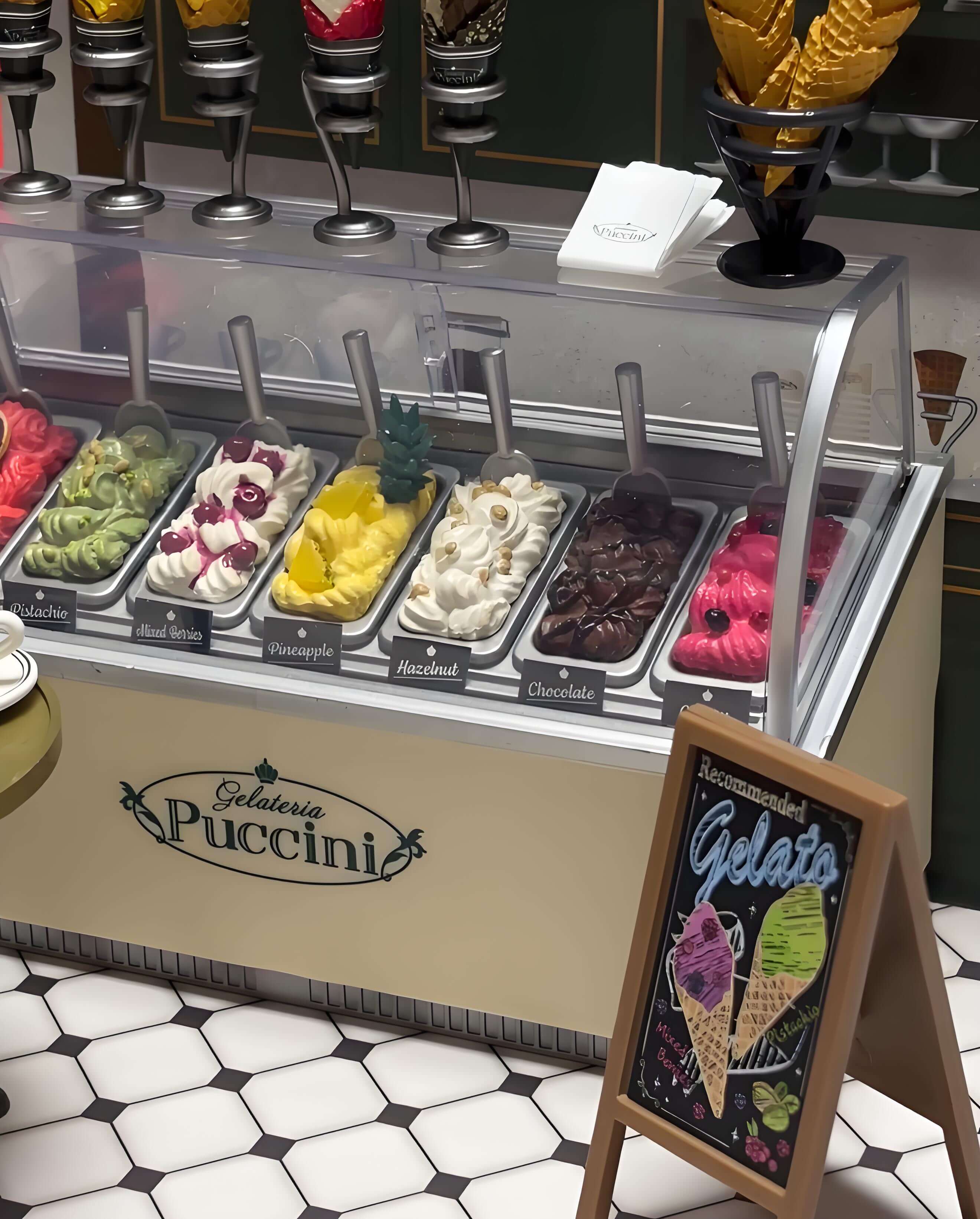
In the specialty retail industry, candy stores, bubble tea shops, and ice cream parlors rely heavily on customized store displays to shape brand image, showcase colorful products, and create a comfortable customer experience. For shop owners, sourcing customized display cases and retail display equipment from overseas manufacturers has become a cost-effective and highly flexible solution. However, cross-border sourcing presents significant information asymmetry issues. Many first-time buyers often focus only on renderings and low unit prices, ignoring hidden quality defects, incomplete quotes, substandard accessories, and non-standard packaging. These oversights can lead to scratched goods, unusable display equipment, budget overruns, and delayed store openings.
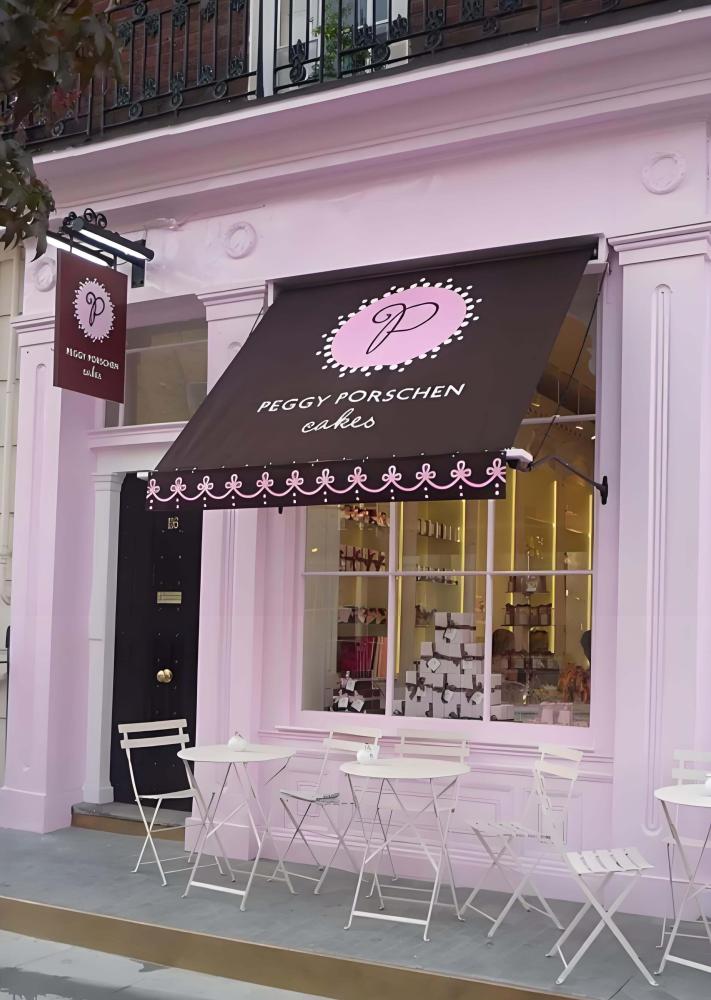
As a professional manufacturer specializing in customized equipment for food stores, I have summarized many high-frequency pitfalls that food industry professionals sourcing products from overseas for the first time from hundreds of overseas orders. This guide will explain the core sourcing knowledge that candy, bubble tea, and ice cream shop owners must master, helping you avoid choosing inferior suppliers and taking on risks.
1. Visual renderings do not equate to actual product quality
Most suppliers provide exquisite 3D renderings at the beginning of cooperation, showcasing perfect colors, proportions, and display effects. However, in actual mass production, many manufacturers cut corners to reduce costs. They use low-density thin boards instead of high-density boards and employ thin-walled metal supports with insufficient load-bearing capacity.
In confectionery and beverage retail settings, display racks need to withstand the long-term pressure of syrup bottles, ice cream display equipment, and heavy candy jars. Inferior boards will sag, deform, or even crack after a few months of use. Unlike ordinary household furniture, commercial retail shelves need to maintain stable load-bearing capacity in high-traffic store environments.
Therefore, remember: never confirm production based solely on renderings. Before placing an order, always request photos of the actual production workshop, physical material samples, or official load-bearing parameters from the manufacturer. Reputable suppliers can provide clear material inspection standards, avoiding discrepancies between design drawings and finished products.
2. Vague material standards lead to a proliferation of inferior substitutes
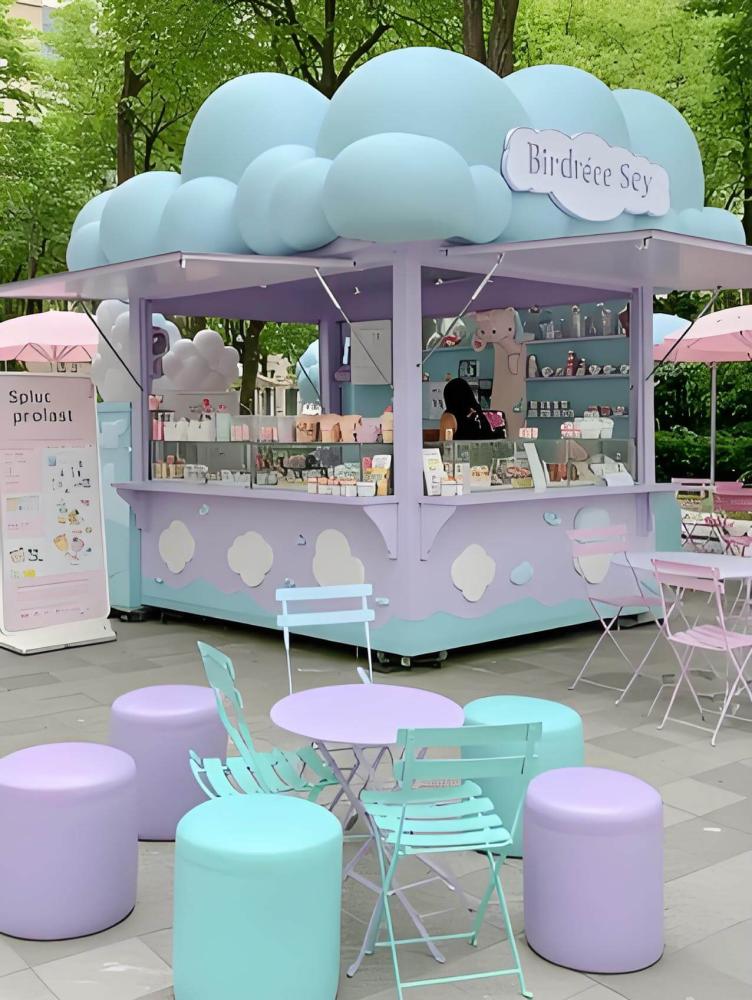
Milk tea shops and confectionery shops are high-humidity, high-cleanliness environments, frequently experiencing liquid spills and requiring daily cleaning. This necessitates higher requirements for the waterproof, scratch-resistant, and corrosion-resistant performance of shop equipment. Many suppliers only list "wood material" or "commercial board" in their quotations without detailed product specifications, leaving room for material substitution.
Ordinary low-density and medium-density fiberboard (MDF) is highly absorbent and prone to edge swelling, paint peeling, and mold growth after prolonged contact with liquids. Substandard ordinary glass can also pose potential safety hazards to customers. Food retail equipment requires standardized waterproofing, multi-layer high-temperature paint, and tempered glass.
Key Procurement Points: All material parameters must be included in the quotation and contract, including board density, waterproofing process, painting process, and glass thickness. Avoid vague and general descriptions that could lead to future after-sales issues.
3. Incomplete Quotations Lead to Significant Budget Overruns
The biggest pitfall for cross-border sourcing novices is hidden costs. Many suppliers offer seemingly low prices that only include the main cabinet structure. Auxiliary accessories closely related to use, such as LED light strips, transformers, assembly parts, as well as export packaging and customs clearance fees, are charged separately after order confirmation.
A significant gap exists between the initial budget and the final landed cost, greatly reducing the cost-effectiveness of customized equipment. Many shop owners face passive expenses, and the resulting increase in costs can put considerable pressure on them.
Key Procurement Tips: Request a detailed quotation from the supplier covering all items, clearly specifying all accessories, packaging costs, and service items. Confirm whether spare parts and after-sales support are free and lock in all costs to avoid unforeseen expenses later.
4. Mismatched Lighting Configurations Affect Store Operations
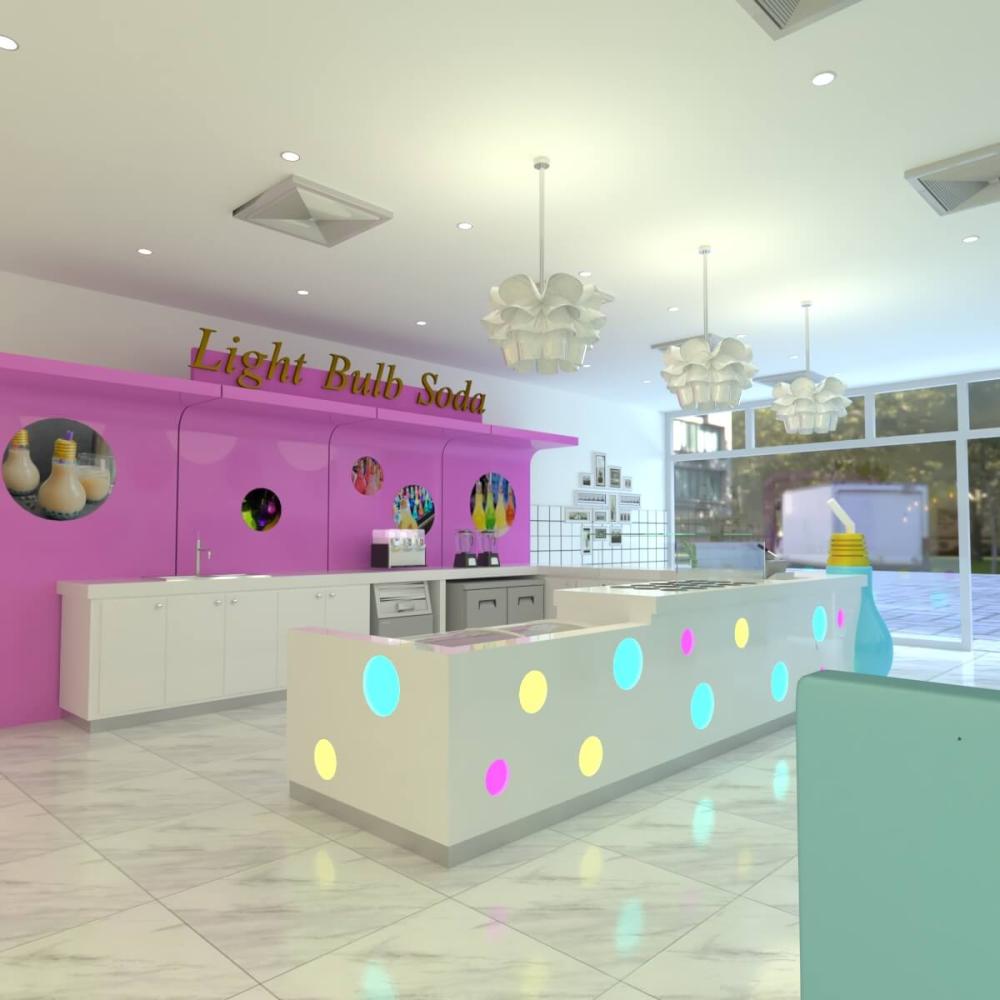
Colorful candies, rich ice cream, and layered milk tea products all require professional commercial lighting to enhance their appeal and attract customers. Lighting is a core visual tool for beverage retail stores, yet it is often overlooked during the procurement process.
Many low-priced LED strips lack professional transformers, leading to risks of flickering lights, unstable circuits, and even short circuits upon arrival. More importantly, most ordinary LED strips are not compatible with 110V voltage.
Key Procurement Tips: Before production, confirm local voltage compatibility, light color temperature, and transformer compatibility standards. Require suppliers to send installation and testing videos before shipment to ensure the products arrive without issues.
5. Export Packaging Determines Final Delivery Condition
In cross-border orders, most minor damage to lighting fixtures and products does not occur during production but rather during long-distance sea freight and multiple loading and unloading processes. Many suppliers use simple cardboard boxes to save costs, but these cannot withstand the squeezing, collisions, and moisture from seawater during transportation.
Surface scratches, corner damage, and structural deformation directly affect the store's installation and opening schedule, and overseas returns and exchanges are extremely costly.
Key Procurement Tips: Customized commercial lighting fixtures must be packaged in professional thick plywood export wooden crates, with corners and surfaces fully protected with foam for impact resistance. Ensure the protective film is retained during local installation to guarantee product integrity.
6. Verbal Promises Cannot Replace Written After-Sales Rules
The opening date of a specialty store is fixed; delays in equipment delivery will directly result in lost revenue during the initial opening period. Many suppliers verbally promise short delivery times but fail to allow for buffer time in production, transportation, and customs clearance.
Furthermore, unclear warranty coverage, ambiguous damage compensation standards, and inefficient spare parts delivery can lead to unresolved product issues after receipt.
Key Procurement Tips: Include production cycles, delivery schedules, and after-sales warranty terms in the formal contract. Clearly define handling procedures for transportation damage and product quality issues, discard all verbal promises, and protect the legal rights of your business.
As a reliable overseas customized equipment manufacturer, we consistently adhere to transparent pricing, standardized production, and export-grade packaging. With over 20 years of manufacturing experience, from design verification and material selection to parameter customization and after-sales support, we provide one-stop standardized services for European and American confectionery, milk tea, and ice cream shop projects, helping every shop owner efficiently complete shop renovations and avoid cross-border procurement pitfalls.